A Patient FAQ for Fighting Off Fungus
Clearing the Infection and Stopping the Recurrence
Fungal spores are all around us: on floors, in the dirt, on carpets, and in public showers. Because they thrive in warm, moist environments, it is extremely difficult for patients to avoid exposure. As a physician, you know that clearing an infection with medication is only half the battle. Preventing reinfection is the true challenge!
Read on for The Tetra Corporation’s concise summary of the most important points, then pass it along to any patients who might need help with adherence. It just might make the difference!
Phase 1: Understanding Your Symptoms
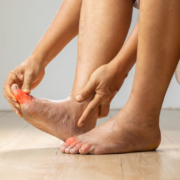
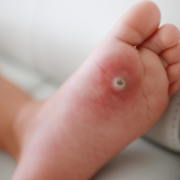
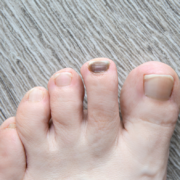
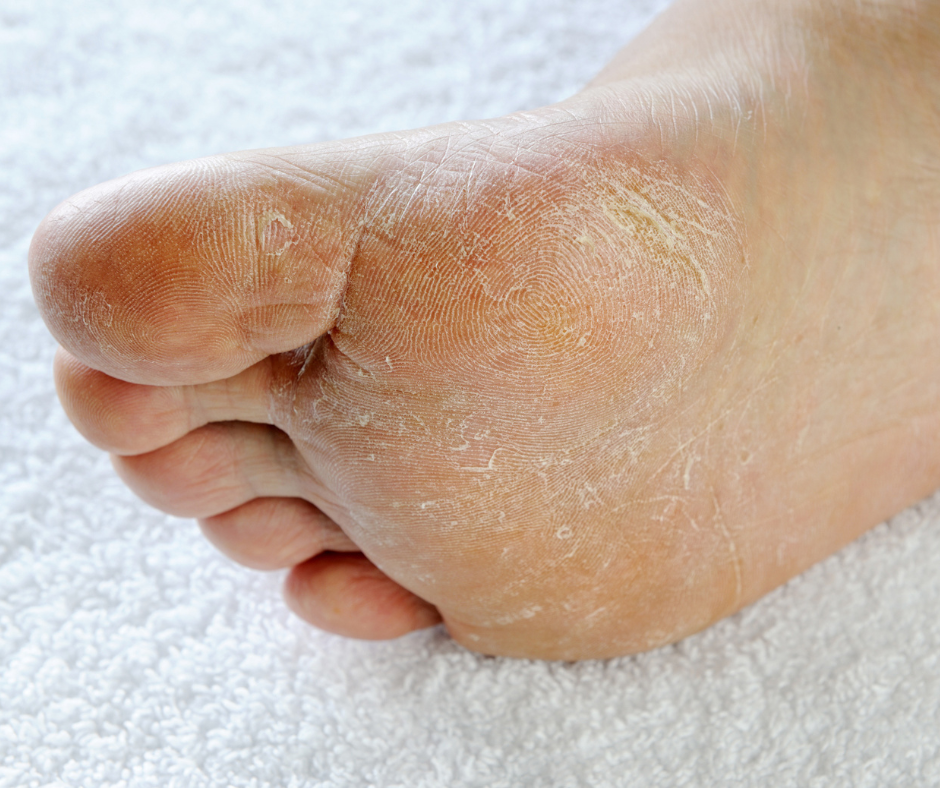
Almost all Athlete’s Foot symptoms start between the toes (inter-digitally). If the infection continues untreated, it may spread to the soles, arches, and eventually the toenails. Keep a close eye out for these common symptoms:
- Dry skin and scaling
- Itching (which often intensifies as the infection spreads)
- Cracking or redness
- A white, wet, or “soggy” surface between the toes
- Blisters, which may open and become painful
Phase 2: The Daily Adherence & Prevention Protocol
To prevent reinfection, you must maintain good hygiene, use your prescribed medication, and eliminate the fungal spores hiding in your environment. Follow these 8 essential steps:
1. Treat the Skin Aggressively
- Apply your antifungal cream, like FungiFoam®, to your feet twice a day until the infection is completely gone.
- Do not stop early! Once clear, apply FungiFoam® once a day to help prevent the fungus from coming back.
2. Sanitize Your Environment (Your Shoes)
- The most common place for spores to collect is in your shoes. Apply an antifungal spray, like Clean Sweep®, to your shoes to keep spores from growing.
- Treat all old shoes, boots, slippers, and sneakers. Never share footwear with others.
3. Let Your Shoes Breathe
- Never wear the same pair of shoes two days in a row. It is important to let your shoes dry completely before wearing them again.
- Wear shoes that “breathe,” like leather or fabric, rather than plastic. Avoid heavy, tight footwear, especially in hot or humid weather.
4. Master Your Hygiene
- Wash and dry your feet thoroughly each day. Pay special, meticulous attention to the spaces between your toes, as trapped moisture is a primary breeding ground.
5. Wear the Right Socks
- Wear socks made of cotton (NOT synthetic materials) and change your socks daily.
- You may need to change them more often in warm weather, and always put on a clean pair of socks immediately after exercising.
6. Protect Yourself in Public Spaces
- When appropriate, wear sandals. Never go barefoot in bathroom and locker room areas; you should always wear rubber sandals in these high-risk environments.
7. Practice Safe Nail Care
- Keep your toenails short, cut them straight across, and avoid ingrown nails.
- Do not use the same clippers on abnormal or infected nails that you use on your normal nails to avoid cross-contamination.
8. Protect the Household
- Fungus is highly contagious. Family members and close personal contacts should immediately treat any fungal infections they may have to avoid spreading the spores to other household members.
Phase 3: Medical MythBusters (FAQ)
Myth: “Once I cure this infection, it will be gone forever.”
FACT: Recent published medical literature indicates that each patient has a unique body chemistry and genetic makeup.
- Some people are predisposed to recurrent skin fungus infections—their skin cannot recognize the fungus as foreign and pathogenic.
- Because of this, there is no permanent “cure,” only highly effective treatments to manage the disease. You must maintain your daily preventative hygiene routine to keep the fungus from returning.
Myth: “I can just use Vicks VapoRub to cure it.”
FACT: Vicks VapoRub contains menthol and camphor, which may temporarily alter the appearance of a nail, but it does not contain antifungal medication.
- It cannot kill the deep-rooted spores. It is simply masking the problem, not treating it.
Myth: “Any cheap drugstore cream will fix this.”
FACT: Most over-the-counter (OTC) pharmacy creams are only “fungistatic” (meaning they temporarily pause the growth of the fungus).
- To eradicate a stubborn infection, you need treatments that kill the organism entirely. This is why physician-dispensed treatments yield higher success rates.
Myth: “My young children will probably catch it from me.”
FACT: Children rarely get fungal infections of the feet, especially before the age of five!
- Their young bodies still react vigorously to fight off the fungus!
The Tetra Corporation has been creating pioneering healthcare products for over three decades, helping physicians add value to their practices while improving patient outcomes. As a trusted provider of efficient and reliable treatments dispensed exclusively through medical doctors, we add both value and innovative treatment options to any practice we work with. Interested in learning more about our products? Contact us online or by calling customer service at 800-826-0479! You can also visit our brand-new website.